







Skip to content
Dear Customers, our website is currently under construction while we make some important technical adjustments that can only be carried out on the live website. Thank you for your understanding. For any important questions, our support team is available at info@3dflagshop.com
Home › organizations › International Criminal Court
1200+ 5 Star Reviews

International Criminal Court

€2.99
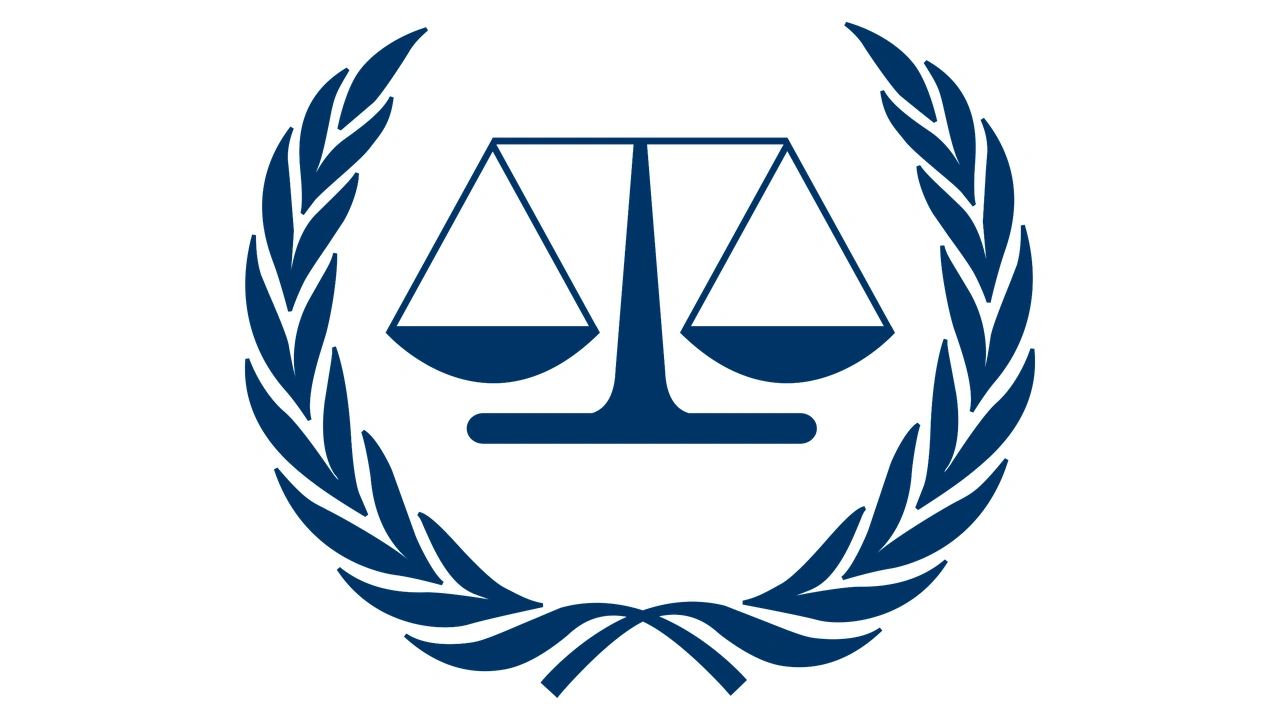
Beautiful 3D flag of International Criminal Court. High-quality rendering with vibrant colors.
Buy it now

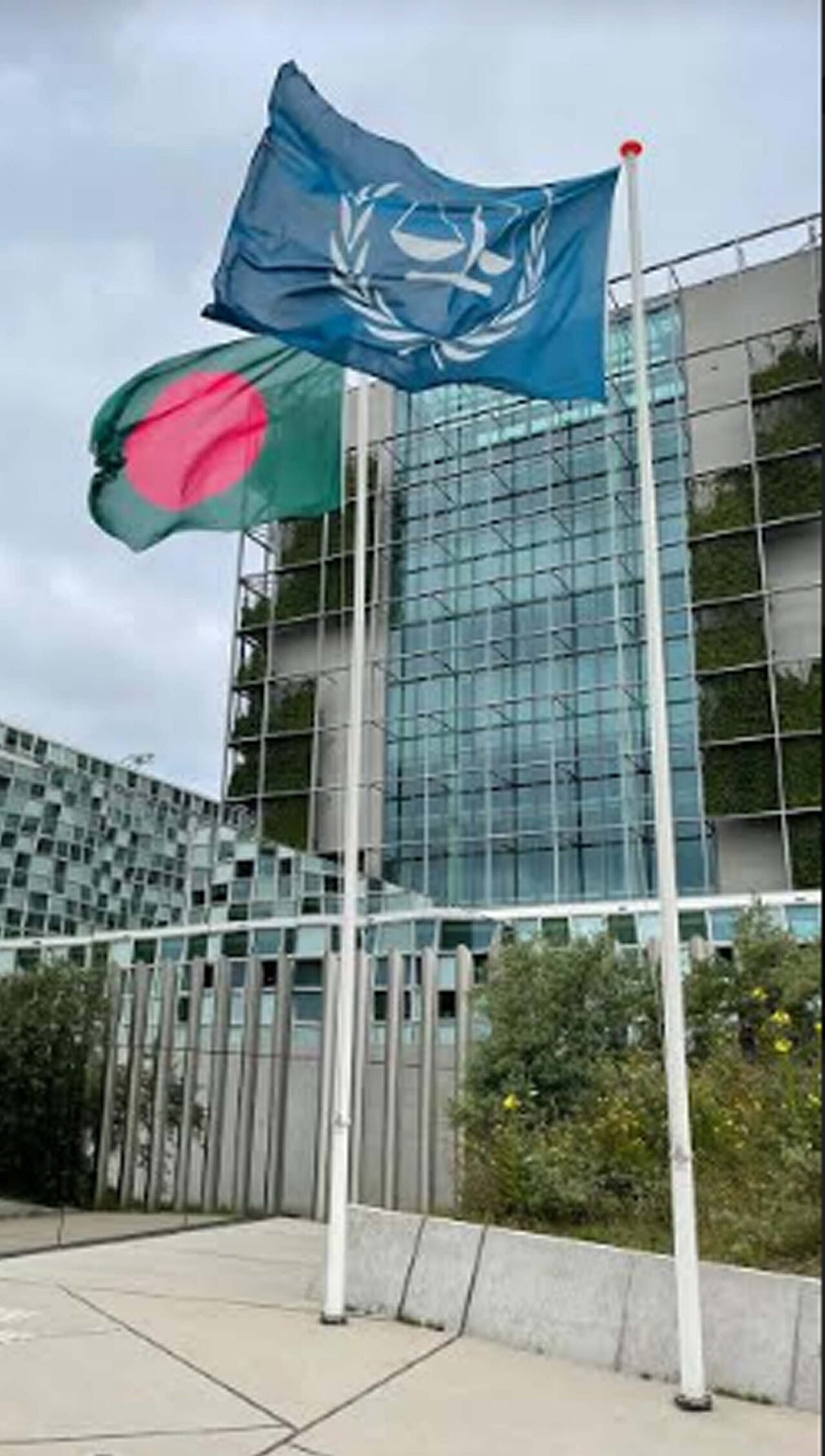
The flag and visual identity of the International Criminal Court (ICC) represent the institution's mission of international criminal justice. The court's emblem is associated with the administration of justice, accountability and the rule of law. Its official visual identity identifies the ICC as a permanent international judicial institution rather than a national court or political alliance. The flag serves as a recognizable institutional symbol at the court and in official communications. Its meaning should not be confused with the flag of the United Nations: although the ICC and UN cooperate, the ICC is a separate institution created by treaty. The significance of the flag lies primarily in the court's mandate to address grave international crimes through legal proceedings.

1. Meaning of the Flag

The International Criminal Court was established under the Rome Statute, adopted on 17 July 1998 at a diplomatic conference in Rome. The treaty entered into force on 1 July 2002, the date on which the ICC formally came into existence. Based in The Hague, Netherlands, the court was created as a permanent institution able to prosecute individuals for genocide, crimes against humanity, war crimes and the crime of aggression, within the limits of its jurisdiction. Unlike earlier international criminal tribunals set up for particular conflicts, the ICC was designed as a standing court. Its jurisdiction depends on rules concerning territory, nationality, time and, in some cases, referrals by the United Nations Security Council. The court follows the principle of complementarity: national judicial systems have primary responsibility, and the ICC generally acts when states are unwilling or unable genuinely to investigate or prosecute. Its work has developed through investigations, trials, appeals and cooperation with states and other international actors.

2. History of the Organization

• The Rome Statute was adopted on 17 July 1998.
• The ICC began operating as a treaty-based court on 1 July 2002.
• Its headquarters are in The Hague, Netherlands.
• The court prosecutes individuals, not states or organizations.
• Its four core crimes are genocide, crimes against humanity, war crimes and the crime of aggression.
• The ICC is not the same institution as the International Court of Justice (ICJ), which handles disputes between states.
• The principle of complementarity gives national courts the primary role in prosecuting international crimes.
• The ICC has an independent Prosecutor and judges elected by the Assembly of States Parties.
• It relies substantially on cooperation by states for arrests, evidence and enforcement.

Key Facts
• Founding treaty: Rome Statute (1998)
• Established: 2002
• Seat: The Hague, Netherlands
• Type: Permanent international criminal court
• Main purpose: Accountability for the gravest international crimes

3. Interesting Facts

The International Criminal Court is a permanent judicial institution tasked with investigating and prosecuting individuals accused of the most serious crimes of concern to the international community, when its legal requirements are met. It operates under the Rome Statute and is independent of the United Nations, although the two institutions cooperate. The ICC's work includes investigations conducted by the Office of the Prosecutor, judicial proceedings before its chambers, participation by victims under applicable rules, and measures concerning witness protection and reparations. It cannot automatically exercise jurisdiction over every crime committed anywhere in the world: its authority is limited by the Rome Statute, relevant state-party links, accepted jurisdiction and certain Security Council referrals. Because it has no police force of its own, it depends on cooperation with states for arrests and other practical measures. Its broader purpose is to help end impunity for grave crimes while respecting fair-trial rights and the primary responsibility of national justice systems.

4. Organization Overview & Purpose

Discover World Best Flags

Premium Quality Flag Media in Multiple Formats

Explore our collection of flags available in GIF, FHD, and stunning 4K video formats, perfect for educational, commercial, or personal projects.

GIF Format

Animated flag GIFs perfect for websites, presentations, and social media. Lightweight and compatible with all platforms.

FHD Video

High-definition flag videos with crisp details and smooth motion. Ideal for professional presentations and digital displays.

Beautiful 3D flag of International Criminal Court. High-quality rendering with vibrant colors.