
International Maritime Organization
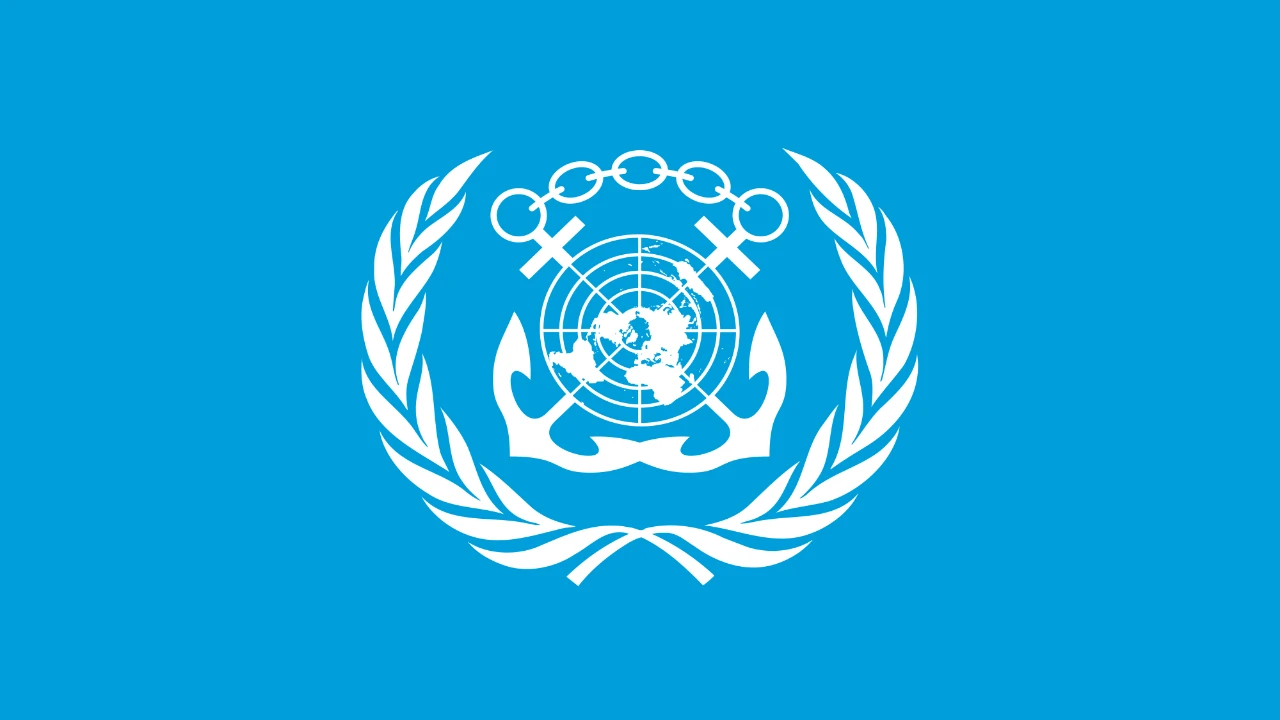
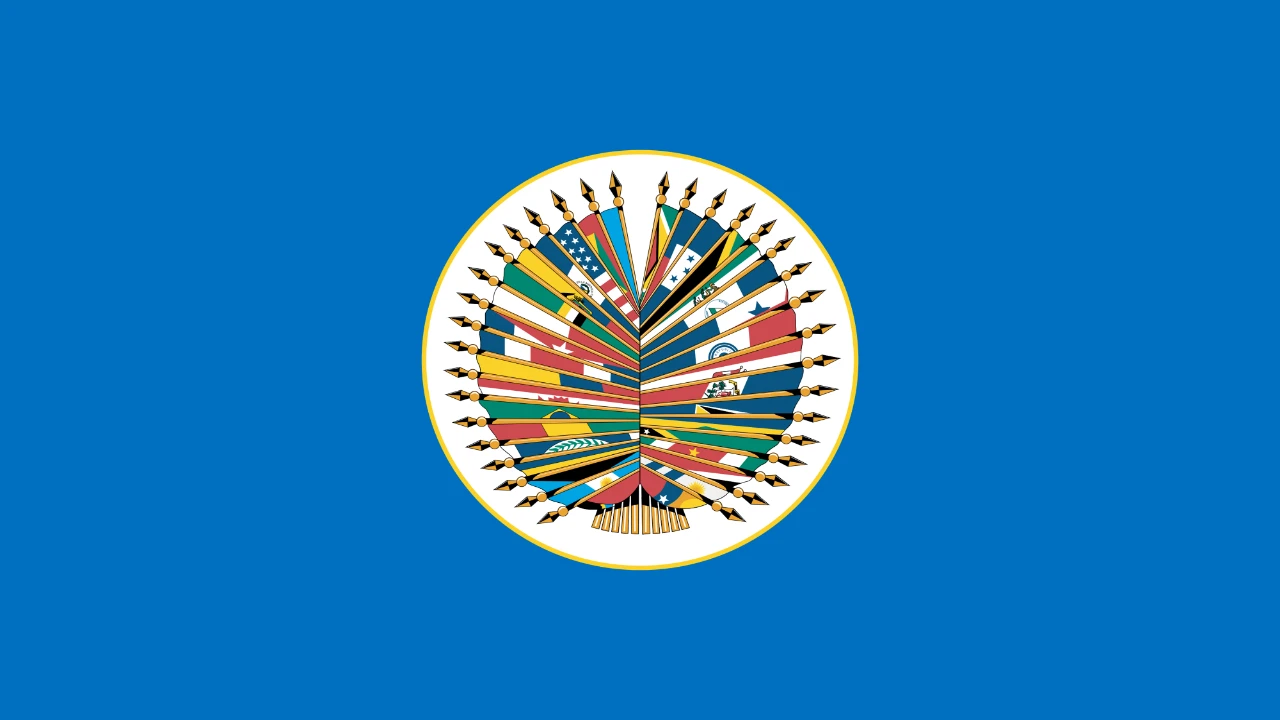
The flag of the International Maritime Organization (IMO) uses a blue field with the organization's white emblem. The emblem combines maritime imagery, including an anchor, with the visual language of the United Nations system. The anchor reflects shipping and seafaring, while the surrounding design communicates the IMO's role in international cooperation. The flag identifies the IMO as the global forum where governments agree on common rules for safer and cleaner international shipping. Its design should not be confused with a national maritime ensign or a flag carried by individual commercial vessels.
The IMO traces its origins to a diplomatic conference held in Geneva in 1948, when the convention establishing the Inter-Governmental Maritime Consultative Organization (IMCO) was adopted. The convention entered into force in 1958, and the organization held its first meeting in 1959. It was renamed the International Maritime Organization in 1982. Over subsequent decades, the IMO became central to the development and updating of global shipping rules, notably the SOLAS convention on safety of life at sea and MARPOL on pollution prevention. Its work expanded to address maritime security, seafarer training, ship energy efficiency, and greenhouse-gas emissions. The IMO remains a specialized agency of the United Nations headquartered in London.
• The IMO is a specialized agency of the United Nations devoted to international shipping.
• Its founding convention was adopted in Geneva in 1948 and entered into force in 1958.
• The organization first met in 1959 and adopted its current name in 1982.
• SOLAS sets internationally agreed requirements for the safety of ships.
• MARPOL is the principal international convention addressing pollution from ships.
• The IMO also develops standards for seafarer training and certification through STCW.
• Its maritime-security work includes measures under the ISPS Code.
• International shipping carries a large share of world merchandise trade, making common technical standards important.
• IMO rules are implemented and enforced through governments and relevant maritime authorities.
Key Facts
• Full name: International Maritime Organization (IMO)
• Established by convention: 1948
• Convention in force: 1958
• First meeting: 1959
• Headquarters: London, United Kingdom
• Status: United Nations specialized agency
• Main fields: Maritime safety, security, environmental protection, and shipping standards
The International Maritime Organization is the United Nations specialized agency responsible for developing a global regulatory framework for international shipping. Its mission is to promote safe, secure, efficient and environmentally responsible shipping through cooperation among member governments. The IMO adopts international conventions, codes, and technical guidance covering ship construction, equipment, navigation, crew competence, pollution prevention, and maritime security. Governments put these standards into effect through national laws, inspections, and enforcement. The organization also provides technical cooperation to help maritime administrations build capacity. By coordinating rules across countries, the IMO supports reliable international trade while addressing risks to human life, marine ecosystems, and coastal communities.
Discover World Best Flags
Premium Quality Flag Media in Multiple Formats
Explore our collection of flags available in GIF, FHD, and stunning 4K video formats, perfect for educational, commercial, or personal projects.
GIF Format
Animated flag GIFs perfect for websites, presentations, and social media. Lightweight and compatible with all platforms.
FHD Video
High-definition flag videos with crisp details and smooth motion. Ideal for professional presentations and digital displays.