


United Nations
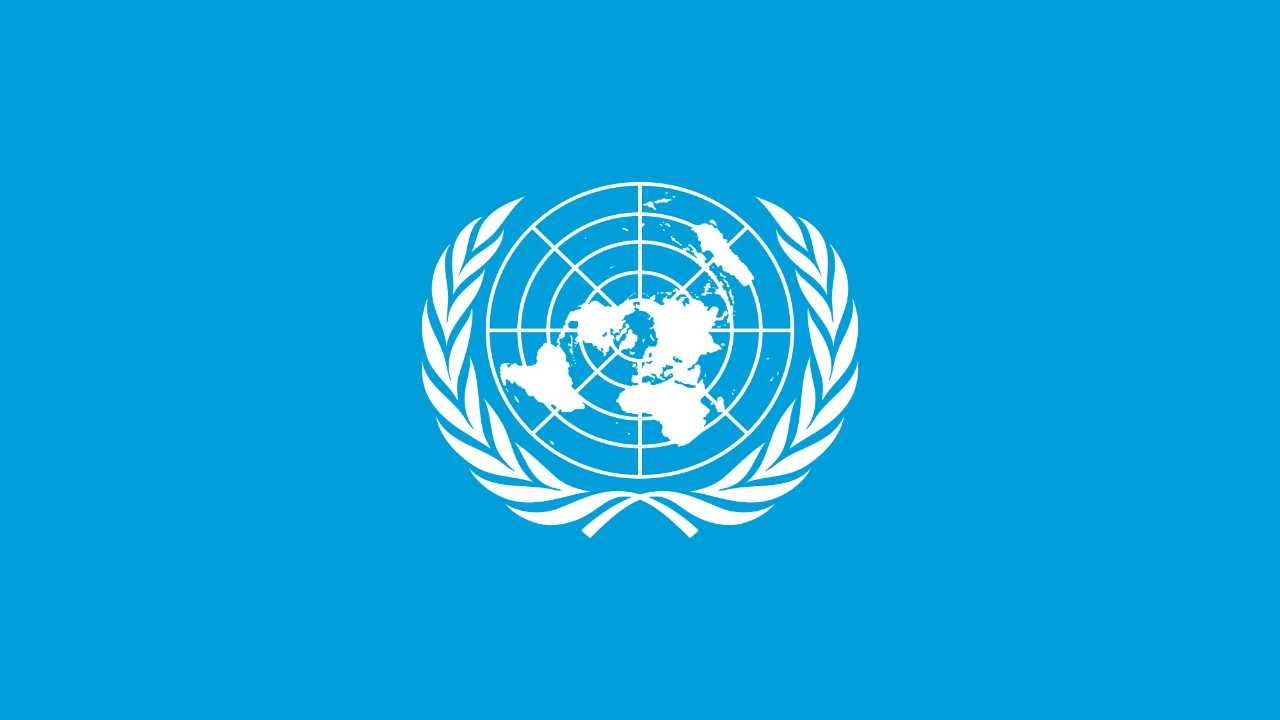
The United Nations flag features a white world map surrounded by two olive branches on a light-blue field. The map, viewed from the North Pole, represents the whole world rather than any one country. The olive branches are a widely recognized symbol of peace. The emblem communicates the UN's ambition to bring nations together through dialogue and peaceful cooperation. The blue-and-white design also helps identify UN personnel, facilities and missions internationally.
The United Nations was founded on 24 October 1945, when its Charter entered into force after the Second World War. Representatives of 50 countries had met in San Francisco earlier that year to draft the Charter; Poland signed later and became one of the 51 original members. The UN succeeded the League of Nations and was created to prevent future wars, promote international cooperation and uphold fundamental human rights. Its activities expanded over subsequent decades to include peacekeeping, humanitarian assistance, development, health and environmental initiatives. Today, it provides a forum for 193 Member States to discuss international challenges, although decisions and implementation often depend on the political agreement and cooperation of governments.
• Founded: 24 October 1945
• Headquarters: New York City, United States
• Member States: 193
• Founding members: 51
• Official languages: Arabic, Chinese, English, French, Russian and Spanish
• Main deliberative body: General Assembly
• Security Council: 15 members, including five permanent members
• International Court of Justice: Based in The Hague, Netherlands
• UN Day: Observed annually on 24 October
Key Facts
• The UN Charter sets out the organization's purposes and principles.
• UN peacekeeping operations are authorized through UN bodies and depend on mandates and resources.
• The Sustainable Development Goals were adopted by UN Member States in 2015.
• The UN emblem combines a world map with olive branches symbolizing peace.
The United Nations is an international organization that provides a platform for countries to address shared challenges. Its principal purposes include maintaining international peace and security, developing friendly relations among nations, promoting human rights and coordinating international cooperation. Major UN bodies include the General Assembly, Security Council, Economic and Social Council, International Court of Justice and Secretariat. Through its wider system of funds, programmes and specialized agencies, the UN supports humanitarian relief, refugee protection, sustainable development, public health and education. Its role is primarily to facilitate collective action among sovereign states; it is not a world government, and its powers vary by institution and mandate.
Discover World Best Flags
Premium Quality Flag Media in Multiple Formats
Explore our collection of flags available in GIF, FHD, and stunning 4K video formats, perfect for educational, commercial, or personal projects.
GIF Format
Animated flag GIFs perfect for websites, presentations, and social media. Lightweight and compatible with all platforms.
FHD Video
High-definition flag videos with crisp details and smooth motion. Ideal for professional presentations and digital displays.